Hip Roof
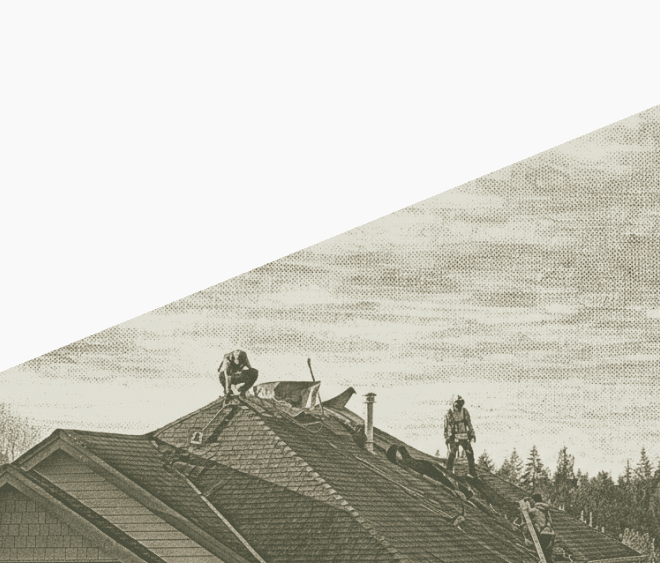
A roof design where all sides slope downward to the walls. More structurally stable than gable roofs and better at resisting wind uplift.
A roof design where all sides slope downward to the walls. More structurally stable than gable roofs and better at resisting wind uplift.
Why Hip Roofs Matter for Insurance Claims
Hip roofs are common in residential construction, especially in wind-prone regions. Their geometry creates multiple slopes that meet at hip ridges, making the roof more aerodynamic but also more complex to estimate. Each hip line requires ridge cap shingles, and the multiple planes create more edges where flashing and starter strips are needed. Accurate measurement of hip roof geometry is critical for an estimate that reflects the true replacement cost.
Hip Roof Geometry in Xactimate
When building a roof sketch in Xactimate, the estimator must accurately define each hip line and its slope. Hip roofs generate more waste than gable roofs due to the angular cuts required at each hip intersection. The waste factor in Xactimate should reflect this, typically ranging from 10 to 15 percent for hip roofs compared to 5 to 10 percent for gable roofs. Understating the waste factor leads to material shortages and potential underpayment.
Wind Resistance and Premium Impact
The structural advantage of hip roofs is well documented. They distribute wind loads across all four slopes rather than concentrating pressure on two gable ends. In states like Florida, hip roofs can qualify for wind mitigation credits that reduce insurance premiums. When documenting a hip roof for a claim, note the roof shape on the inspection report, as it affects both the damage pattern and the overall estimate structure.
Frequently asked questions
Hip roofs have more ridge and hip lines than gable roofs, which means more ridge cap shingles and more linear feet of hip flashing in the estimate. The additional complexity increases the total replacement cost compared to a simple gable roof of the same square footage.
Yes. Because all four sides slope inward, hip roofs handle wind loads more evenly and are less likely to lose sections in high winds. Some insurance companies offer premium discounts for hip roof construction in hurricane-prone areas.
Hip roofs are measured by total roof area in squares, plus linear feet of hip lines and ridge lines for cap shingles. The Xactimate sketch should accurately reflect the hip geometry, as the hip lines affect both material quantities and waste factor calculations.
 No credit card required