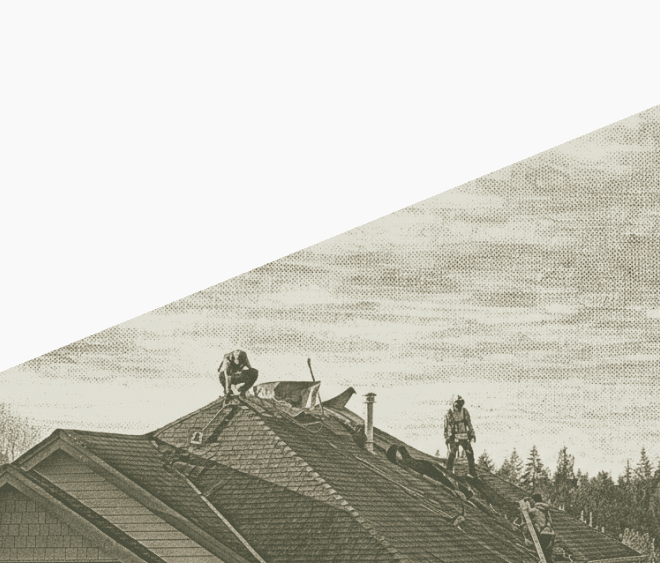
Gable Roof
A roof design with two sloping sides that meet at a central ridge, forming a triangular shape at each end. The most common residential roof style.
A roof design with two sloping sides that meet at a central ridge, forming a triangular shape at each end. The most common residential roof style.
Why Gable Roofs Matter for Insurance Claims
Gable roofs are the most common roof shape in residential construction. Their simple two-slope design makes them easy to build and estimate, but the exposed gable ends are a known weak point during wind events. Adjusters should inspect the gable end areas carefully, as wind damage often starts at the edges where shingles are most exposed to uplift. Damage to the gable end siding, soffit, and fascia should also be included when storm damage extends beyond the roof surface.
Gable Roofs in Xactimate Estimates
Gable roofs are straightforward to sketch in Xactimate. The two slopes create a single ridge line, and the waste factor is lower than hip roofs since fewer angled cuts are needed. A standard waste factor of 5 to 10 percent is typical for gable roofs. The estimate should include field shingles, ridge cap along the single ridge line, starter strips along the eaves and rakes, and drip edge around the full perimeter.
Gable End Vulnerabilities
The triangular gable end wall is particularly susceptible to wind pressure. In high-wind events, this area can experience both positive and negative pressure that damages siding, soffits, and the roof edge. Building codes in hurricane zones may require gable end bracing. When inspecting gable roofs after storms, photograph the gable ends from ground level and close up to capture any displacement, cracking, or missing materials that should be part of the claim.
Frequently asked questions
The flat triangular gable end acts as a sail in high winds, creating uplift pressure that can peel shingles or even lift the roof structure. Gable ends are frequently the first area to show wind damage during a storm inspection.
Gable roofs are simpler to estimate because they have fewer planes and ridge lines. They require less ridge cap and generate less cutting waste. However, the gable ends often have siding that may also be damaged and should be included in the claim scope.
If wind or storm damage affected the gable end siding, it should be included in the scope of loss. Gable end siding is often vinyl, wood, or fiber cement and has its own line items in Xactimate under the siding trade category.
 No credit card required