Re-Roof
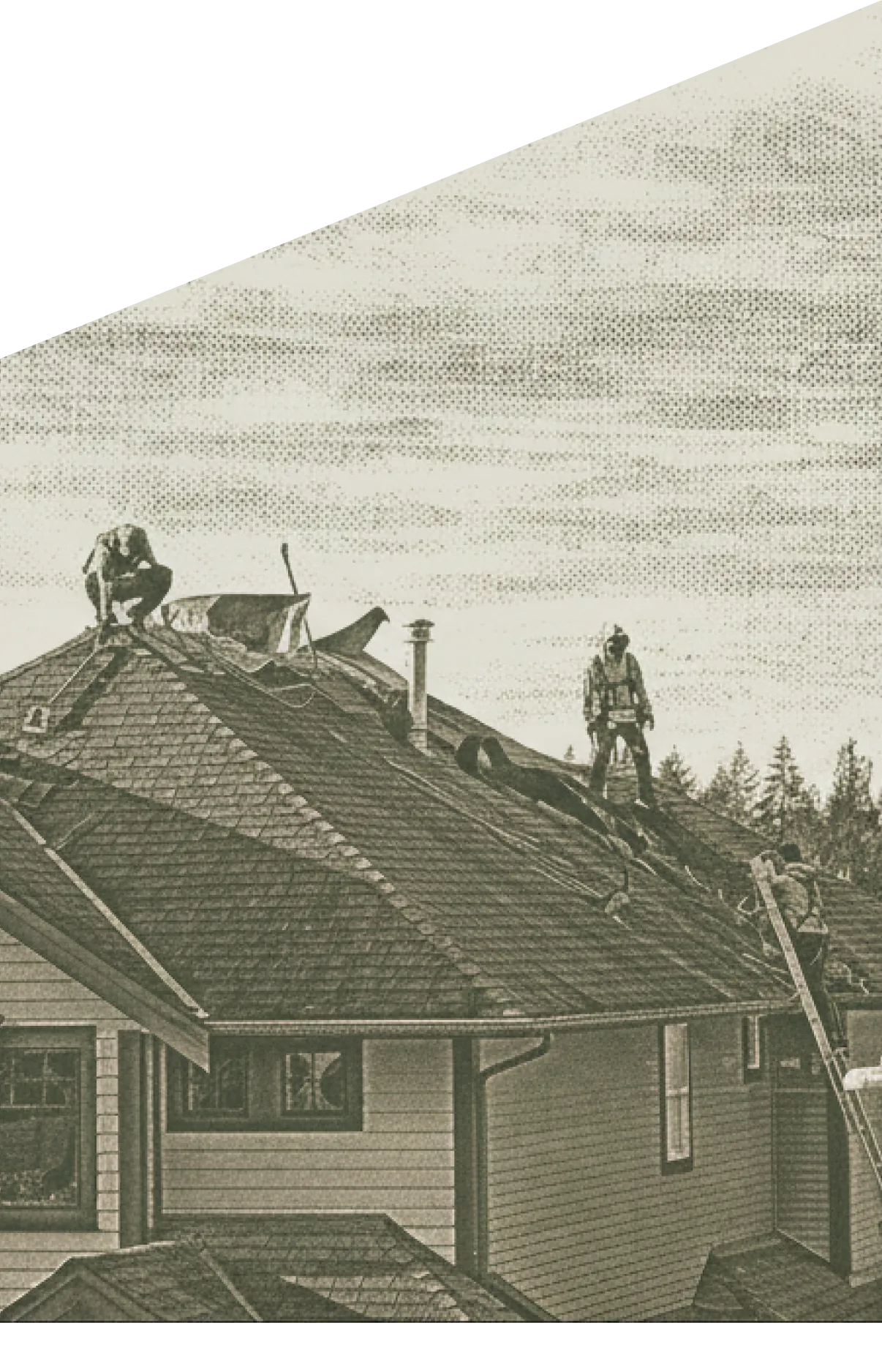
The process of installing a new roof, either by overlaying new shingles on existing ones or by tearing off the old roof first. Most codes limit overlays to two layers.
The process of installing a new roof, either by overlaying new shingles on existing ones or by tearing off the old roof first. Most codes limit overlays to two layers.
Why Re-Roofing Matters for Insurance Claims
A re-roof is the most comprehensive repair scope in a roofing insurance claim. When storm damage is widespread, affecting shingles across multiple slopes, a full re-roof is often more practical and cost-effective than spot repairs. The decision to approve a full re-roof versus partial repairs is based on the percentage of damaged shingles, the availability of matching replacement materials, and whether the roof can be brought back to pre-loss condition with repairs alone.
Re-Roof Components in Xactimate
A complete re-roof in Xactimate includes numerous line items: tear-off of existing roofing, haul-off and dump fees, any required decking replacement, underlayment, ice and water shield at vulnerable areas, drip edge, starter strip, field shingles, ridge cap, all flashing types, ridge vent or other ventilation, and pipe boot replacement. Each component has its own line item and measurement. Writing a complete re-roof estimate requires the estimator to account for every layer and accessory in the roofing system.
Tear-Off vs. Overlay
Insurance-funded re-roofs almost always include a full tear-off rather than an overlay. Tearing off the existing roof allows inspection of the decking, replacement of damaged sheathing, and installation of new underlayment. Overlays hide problems and limit the ability to assess the full extent of storm damage. If the roof already has two layers of shingles, building code requires a tear-off regardless. The tear-off labor and disposal fees are significant line items in the estimate.
Frequently asked questions
Insurance covers a full re-roof when the damage is widespread enough that repairs are not practical. The adjuster determines whether the damage warrants full replacement based on the scope of loss, and the estimate reflects all components needed for a complete re-roof.
A complete re-roof estimate includes tear-off of existing materials, haul-off and disposal, decking inspection and replacement as needed, underlayment, ice and water shield, drip edge, starter strip, field shingles, ridge cap, flashing, and any ventilation components.
Some building codes allow one layer of overlay (two total layers of shingles). However, overlays hide decking damage, add weight to the structure, and may void the new shingle warranty. Most insurance-funded re-roofs include a full tear-off.
 No credit card required